Hardscape Contractor in Los Angeles, CA
Driveways, retaining walls, patios, and outdoor living areas built for Los Angeles drainage, grading, and finish standards.
What goes into this work in Los Angeles
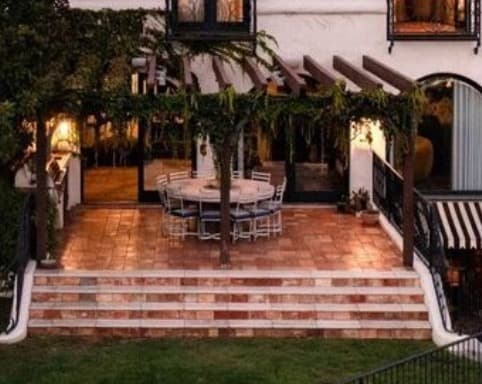
Hardscaping work in Los Angeles is never just about finishes or production speed. It starts with knowing what the property can actually support, what the city will approve, and what the existing house is hiding behind walls, ceilings, or old exterior assemblies. We look at LADBS permit triggers first, because even a project that sounds simple on the phone can turn into structural review, plan check comments, energy compliance, or correction work the moment you touch framing, utilities, drainage, or the building envelope. We also review HOA requirements when a property sits inside a managed community, because approval delays in Beverly Hills, Hidden Hills, or coastal neighborhoods can stall a perfectly good construction schedule if no one accounted for them early. Hillside lots change the conversation again. Soil reports, drainage paths, retaining pressure, and access restrictions can reshape the budget before any crew unloads tools. Historic preservation boards and design review bodies matter on older housing stock, especially where exterior changes, original details, or neighborhood character are protected. Setback requirements still matter even on projects people assume are interior only, because openings, additions, equipment placement, and exterior scope can push a job into a different approval path fast. Hardscape work in Los Angeles is not cosmetic if the site carries water wrong, slopes toward the house, or depends on retaining to hold grade. We look at drainage, base prep, reinforcement, retaining design, concrete placement, pavers, stone, stairs, railings, lighting, and the way the exterior ties back into the structure and usable outdoor living. That is why Los Angeles homeowners need a contractor who understands both the field conditions and the permit desk.
Red Stag handles hardscape and concrete work differently because we do not split design, pricing, and production into disconnected handoffs. Our design-build process keeps planning, estimating, engineering coordination, and field execution under one contract, which means the same team that studies the site is also responsible for building the work correctly. That removes the usual gap between what the plans show and what the crew discovers on day one. We have been working in this market for 15 years, and that matters because Los Angeles is not forgiving to contractors who are learning while your house is open. We self-perform major parts of the work that most contractors push out without control, including framing, concrete, plumbing, and drywall, so schedule and quality do not depend on a revolving set of subs who were never aligned in the first place. That level of control matters on every job, but especially on hardscape and concrete work where sequencing decides whether the finish work goes in cleanly or gets damaged and redone. We run daily coordination around inspections, material deliveries, layout verification, and finish protection. When a problem shows up, it gets solved by the team that owns the contract, not bounced around between designer, project manager, and installer while the homeowner waits.
The homeowners who call us for hardscape and concrete work usually know the stakes. They are not looking for a generic crew. The right client might be a Beverly Hills owner replacing a failing driveway and front approach, a Bel Air household dealing with retaining and slope pressure, a Malibu homeowner rebuilding outdoor areas with drainage and fire-zone requirements in mind, a Studio City family trying to make a flat back yard usable for entertaining, or a Sherman Oaks owner modernizing a dated pool deck and patio system. What all of those owners have in common is that they are trying to make a real property decision, not just buy a prettier surface. In Los Angeles, the right construction scope can improve how a house lives every day, protect resale in a high-expectation neighborhood, or create space that keeps a family in place instead of forcing a move into a much higher mortgage. We spend time up front understanding how the owner uses the home, what part of the property is underperforming, what the surrounding neighborhood expects, and how much disruption is realistic for the family. That is why our recommendations are direct. If a plan makes sense, we say so. If the numbers only work with a different scope, we say that too. Homeowners in Beverly Hills, Bel Air, Malibu, Studio City, and Sherman Oaks do not need a sales pitch. They need a contractor who can tell them what the site, budget, and approval path actually support before they commit.
Our process starts with a consultation at the property so we can see existing conditions, talk through goals, and identify the approvals and technical decisions that will control price and timeline. After that we move into measurements, scope definition, preliminary budgeting, and the design-build planning needed to create real permit and construction documents. The process begins with grading review, drainage planning, utility checks, retaining requirements, material selections, and layout. Then we move into demolition, excavation, base prep, formwork, steel, inspections when required, placement, finish work, and cure time before the surface is really ready to use. If the work needs plan check or permit review through LADBS, we tell clients up front that residential approvals typically run 4 to 8 weeks, and longer if a project hits hillside review, design review, or extra correction cycles. That reality gets built into the schedule from the start. Once permits are moving, we finalize procurement and sequence the work around demolition, structural or utility rough-in, inspections, enclosure, finishes, punch, and final signoff. We do not wait until the middle of the job to talk about cabinet lead times, waterproofing inspections, or custom fabrication. Those are early decisions because they decide whether the job moves cleanly. Homeowners get straight updates about what is done, what is next, and what could affect schedule. It is a construction process, not a black box.
When homeowners choose the wrong contractor for hardscape and concrete work, the failure usually starts long before the first missed day on site. The number was too low because scope was incomplete. Permit requirements were ignored because someone wanted to move fast. The field team was not briefed, the subcontractors were not coordinated, and the owner was told every problem would be easy until the change orders started stacking up. Bad hardscape jobs crack because the base is wrong, water is trapped, reinforcement is light, or slopes are guessed instead of calculated. Retaining walls fail because they are treated like landscaping instead of structural work. Those are expensive mistakes and they usually start with a bid that looked cheap. Red Stag protects clients against those failure modes by doing the slow work first. We verify scope, document assumptions, align selections with the budget, coordinate drawings with what the field can actually build, and keep supervision tight once construction starts. We would rather tell a homeowner a hard truth at the estimate stage than sell a number that collapses the moment the house is opened up. That approach is why clients call us when they want a contractor who can pull permits, manage inspectors, control trades, and still deliver work that looks right at the end. In Los Angeles, that is not extra service. It is the baseline for doing the job responsibly.
Ready to start your hardscape and concrete work project in Los Angeles?
(323) 922-4235Get a Free EstimateLos Angeles cost guide
| Scope | Basic Scope | Mid-Range | Premium |
|---|---|---|---|
| Typical project size | 300-600 sq ft | 600-1,500 sq ft | 1,500+ sq ft |
| Cost range | $15K-$40K | $40K-$100K | $100K+ |
| Timeline | 2-4 weeks | 4-8 weeks | 8-16 weeks |
| What is included | Small patio, walkway, driveway section, or concrete flatwork replacement with straightforward prep. | Patio, driveway, stairs, pavers, drainage improvements, or modest retaining integrated into one exterior package. | Large-scale outdoor living build with retaining walls, custom concrete, premium stone, kitchens, fire features, and detailed site work. |
| Key variables | Subgrade condition, demolition, finish type, drainage correction, and access. | Excavation depth, wall engineering, lighting, drainage infrastructure, and surface material. | Hillside work, access, structural retaining, specialty finishes, and drainage complexity. |
In the Los Angeles market construction labor runs 40 to 60 percent above the national average. Permit fees vary by city - Beverly Hills and Santa Monica charge significantly more than LADBS. Hillside projects add 15 to 30 percent to foundation and structural costs. HOA design review can add 4 to 12 weeks to your timeline. These are real variables Red Stag accounts for in every estimate.
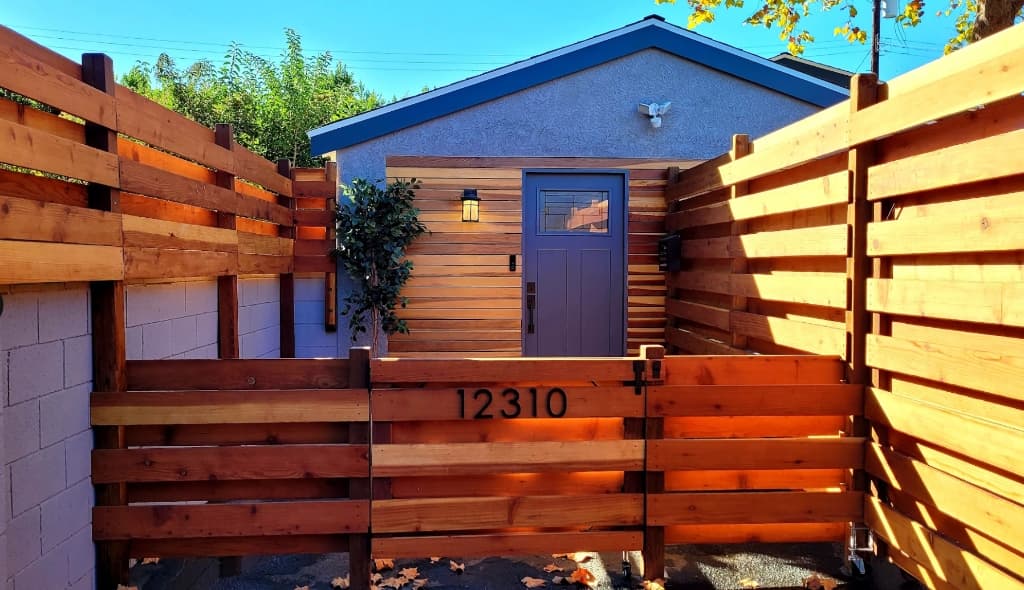
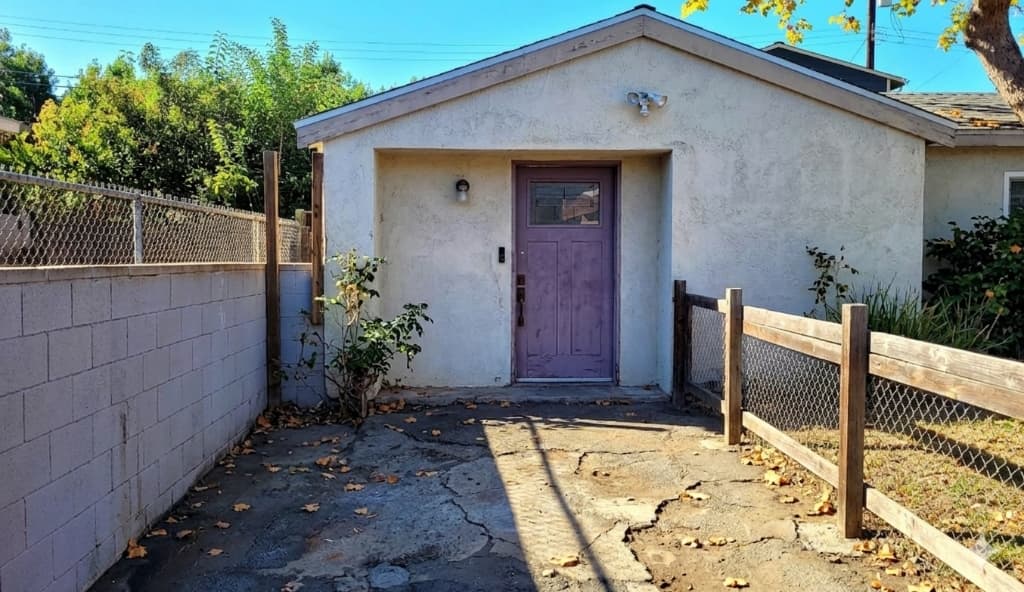
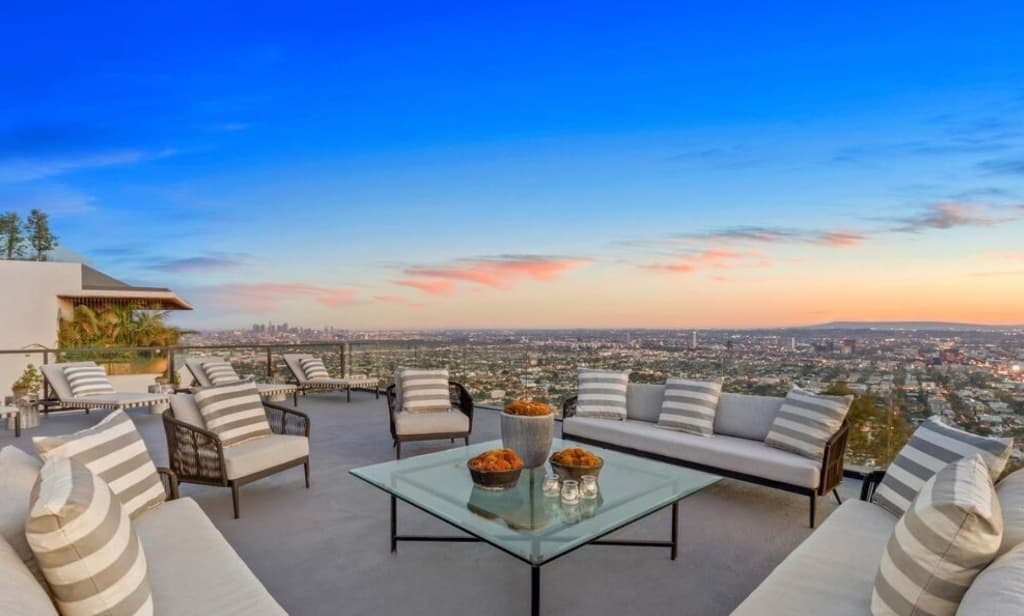
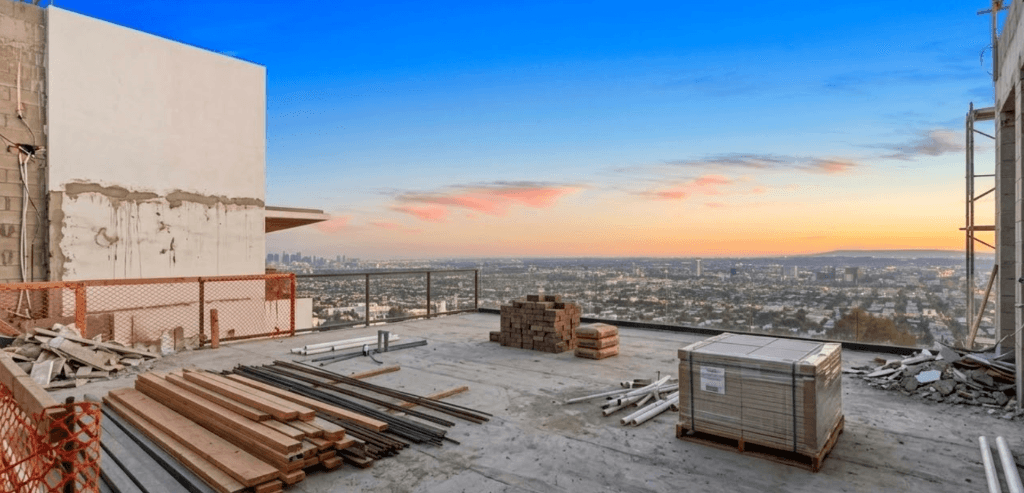
Before and after
Questions homeowners ask before they hire
Cost and Budget
Process and Timeline
Choosing a Contractor
We provide hardscape and concrete work across Greater Los Angeles
The hardscaping and pool deck Red Stag built at our Malibu property is breathtaking. They understood the coastal requirements and delivered exactly what we envisioned.
C. Nakamura
Malibu / Google
Start your hardscaping project with a Los Angeles contractor who understands drainage, retaining, and durable exterior construction.
Our schedule fills 6-8 weeks out. The sooner we talk the sooner we build.
(323) 922-4235Get a Free Estimatesupport@redstagcc.com